
The mattress is one of the most important parts of our bedroom and contributes significantly to a restful sleep. But like any other piece of furniture, the mattress also needs care and cleaning to remain hygienic and comfortable. Over time, dust, sweat, hair and even stains can accumulate. So that you can enjoy your mattress for a long time, in this guide we will explain what types of contamination can occur and how to remove them effectively.
1. Why is cleaning the mattress important?
Mattresses are used daily and often last for years. During this time, dirt, mites and other debris accumulate, which is not only unhygienic but can also shorten the life of the mattress. Reasons why mattress care is important:
- Health: Dust and mites can cause allergies and respiratory problems.
- Longevity: Regular cleaning protects the mattress materials from wear and tear.
- Hygiene: Sweat, stains and odors affect the quality of sleep.
2. Types of contaminants and how they are formed
A mattress can be exposed to different loads. The most common contaminants include:
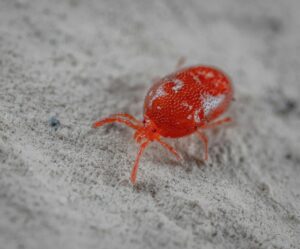
2.1. dust and mites
Origin: Mites feed on skin flakes that we shed during the night. These microscopic animals are a common cause of allergies.
Symptoms: House dust allergies often manifest themselves with sneezing, coughing and irritated eyes.
2.2. Sweat and body fluids
Origin: When we sleep, our body loses up to half a liter of fluid every night through sweating. This moisture penetrates the mattress.
Effects: Sweat can cause stains and a musty odor.
2.3. Food or drink stains
Origin: A spilled coffee or late-night snack can leave a stain.
Problem: Liquids are quickly absorbed into the mattress and can be stubborn.
2.4. Blood stains
Origin: Lesions or menstrual blood are common causes.
Special Feature: Blood stains require particularly careful treatment because protein compounds make them more difficult to remove.
2.5. Urine stains
Origin: Accidents can occur, especially with small children or the elderly.
Challenge: In addition to stains, urine can also leave unpleasant odors.
2.6. Schimmel
Origin: A constantly damp mattress (for example due to insufficient ventilation) can develop mold.
Health hazard: Mold is not only unsightly, but also harmful to your health.
3. Step by step guide to cleaning your mattress
With the right method it is possible to effectively eliminate any type of pollution. We’ll show you how it’s done.
3.1. Regular basic cleaning
1. Suction: Use a vacuum cleaner with an upholstery nozzle to remove dust and hair.
- Tip: Vacuum both sides of the mattress at least every two months.
2. Ventilate: Place the mattress in a well-ventilated area to reduce humidity.
3.2. Removal of sweat residues and odors
1. Use Baking Soda: Sprinkle baking soda generously on the mattress.
– Exposure time: at least 4 hours, preferably overnight.
– Effect: Baking soda neutralizes odors and absorbs moisture.
2. Suction: Vacuum up the baking soda thoroughly.
3.3. Remove stains
The treatment of stains depends on their type: 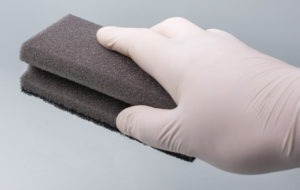
Food or drink stains:
– Mix warm water with a mild detergent.
– Gently dab the stain with a sponge.
Blood stains:
– Use cold water and a detergent containing enzymes.
– Alternatively: salt water or a mixture of water and bicarbonate.
Urine stains:
– Clean the area with a mixture of vinegar and water (1:1).
– Then sprinkle baking soda to neutralize the odor.
Mold stains:
– Use a mixture of alcohol and water (1:1).
– Dry the mattress completely to avoid further mold growth.
3.4. Treat particularly stubborn stains
If home remedies are not enough, special mattress cleaning products from specialized retailers can help. Always test new products in a hidden area first.
4. Preventive measures for a clean mattress
4.1. Use mattress protectors
A mattress protector protects against dirt and liquids and is easy to wash.
4.2. Turn the mattress regularly
Turning (approximately every three months) ensures uniform wear and the mattress keeps its shape for longer.
4.3. Ventilate the bedroom
Keep humidity low in the bedroom and ventilate regularly to prevent mold growth.
4.4. Avoid eating and drinking in bed
This will help you avoid stains caused by spills or food residue.
5. When should professional cleaning be considered?
In some cases, professional cleaning of the mattress is useful, for example:
- Stubborn stains that cannot be removed.
- Mold infestation over large areas.
- Allergies that require deep cleaning against mites.
6. Conclusion: regular care for restful sleep
The mattress is a long-term investment that requires attention and care. With regular cleaning and preventative measures, you can keep your mattress hygienically clean and extend its life. Remember that a clean mattress is not only good for your health, but also significantly improves your sleeping comfort.
You can easily remove most contamination using simple home remedies and targeted cleaning techniques. If you still have difficulty, don’t hesitate to contact a professional. Your health and restful sleep are worth it!
latest posts published

You should definitely pay attention to this!

Indoor gardening trend: green happiness for your home

The best design shops in Riga (Latvia)

Living ideas for Scandinavian furnishings

Christmas 2025: our trendy gifts in the shop

Insider tip for Christmas: designer jewelery from the Baltics!

What is the difference between a chest of drawers and a sideboard? Let’s find out!

Decorate your living room and bedroom in Scandinavian style

Muista office stool for more fun at work
