

Colored Easter eggs at home, chocolate bunnies, searching for gifts in the garden and, above all, fish on Good Friday: this is how we celebrate Easter in Germany. But how is Easter actually celebrated in the Baltics? In this article you will find out how Estonians, Latvians and Lithuanians celebrate the great spring holiday.
Estonia – “Egg tapping” and Russian Easter quark
In Estonia, Easter is called by many different names: «Munadepühad» (the festival of eggs), «Lihavõttepüha» (the festival of meat) – which indicates the end of Lent, «Ülestõusmispüha» (the festival of resurrection) or «Kevadpühad» – the spring festival that finally ushers in the long-awaited warm season after a long winter.
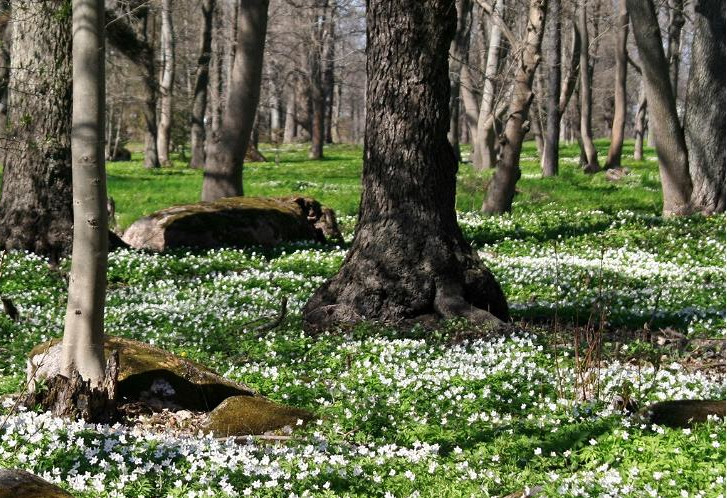
Maundy Thursday was considered a kind of holiday during which people prepared for the first holiday – Good Friday. In some regions of Estonia only a light meal, usually soup, was served on this day. Easter Sunday is the highlight of Easter, which is celebrated with all family and friends.
Together we begin to dye eggs in the traditional way, which are often still widely used according to ancient traditions and are colored with natural dyes such as onion peel or red beetroot juice. A hearty lunch follows, the dishes of which are still influenced by Russian cuisine today. These include sweet white rolls and also a dessert called «Pascha», a «Russian Easter curd» made from cottage cheese or quark, butter, sugar, raisins, almonds, lemon peel or candied fruit.
A popular Estonian Easter custom still practiced today is “beating eggs”. In a competition, one’s hard-boiled egg is bumped against one’s opponent’s, and the one whose shell survives unscathed wins. Another variation is “egg rolling”. Here, a player lets his egg roll down a small self-made hill (usually made of sand) where it meets others’ eggs at the bottom. Here too, the winner is the one whose egg comes out with the skin intact.
Lithuania: “egg cakes” and lots of meat
In Lithuania, the colored Easter egg is the main Easter symbol, it symbolizes prosperity and a rich harvest. On the table covered with a white linen tablecloth, specially dyed eggs are laid out in a basket or clay bowl and beautifully decorated with branches of diamonds or cranberries. The traditional Easter decoration also includes an egg cup, which consists of a branch with nine or twelve branches from which the cooked birds are then hung.
As in Estonia, the Easter ceremony begins with the “egg kick,” in which you attempt to break the shell of your opponent’s egg without damaging your own egg. The strongest specimen wins and is not eaten. During the Easter dinner that follows, an abundance of food is served on the table: suckling pig, pig’s head, ham, poultry, sausage and cheese, beer, kvass, maple and birch sap are drunk. At the end of the celebration, relatives, neighbors and friends are visited in the afternoon. As a gift there are Easter eggs. Eggs are extremely popular in Lithuania due to their diverse uses and preparation options in the kitchen.
Latvia – “Easter swings” and folk dances
In Latvia, during Easter, Christian and pagan customs mix. One of the typical customs of the village is the “Easter swing” on the local village square. This ritual is intended to protect the rocking chair from annoying mosquito bites in summer, and livestock, crops and grain are said to also thrive. The large wooden swings, specially built for this purpose, offer space for up to four swingers at the same time. However, to prevent evil witches from swinging on them, the swings must be burned after Easter.
In a very traditional way, girls let themselves be pushed by boys: as thanks they receive gloves and socks or delicious pastries and eggs of the same color. For some Latvians, traditional folk dances and the singing of old folk songs are still part of Easter. However, the pre-Christian custom of “washing one’s face” in an eastward-flowing stream is much less practiced. It is said that on Easter anyone who washes their face before dawn remains young, beautiful and healthy.
latest posts published

You should definitely pay attention to this!

Indoor gardening trend: green happiness for your home

The best design shops in Riga (Latvia)

Living ideas for Scandinavian furnishings

Christmas 2025: our trendy gifts in the shop

Insider tip for Christmas: designer jewelery from the Baltics!

What is the difference between a chest of drawers and a sideboard? Let’s find out!

Decorate your living room and bedroom in Scandinavian style

Muista office stool for more fun at work
