I met Johanna in person for the first time at the State of Design design festival. BERLIN, but by then I had already heard and seen a lot about her. She is one of the young Estonian designers with great future potential, which also earned her the SÄSI award awarded to her in autumn 2016 as the best young Estonian designer.
The study
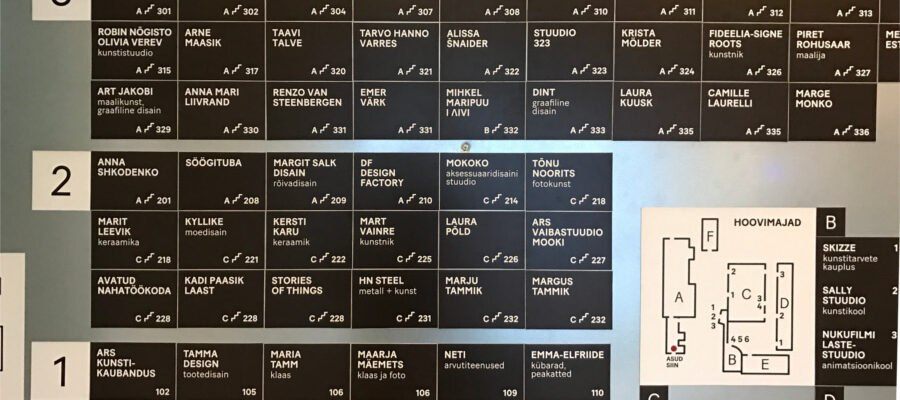
In January I visited her in her new studio at ARS House in Tallinn, where she had just made herself comfortable. The ARS House is already a spectacle in itself: the former Soviet center for artistic products already hosted countless artists and designers from different sectors in Soviet times. Today the house is still occupied by artists’ ateliers, studios and offices, mixed with new exhibitions, performances and workshops taking place every month. The sign in the corridor also had a strong influence on me, as it takes some time to find the wing, the floor and the right door 🙂
Johanna welcomed me with a big smile, delicious biscuits and many of her prototypes, which for each product she took out of one of her cupboards to illustrate the path from the idea to the finished product.
She describes herself as an open designer who is looking for new ideas and concepts without wanting to limit herself. This should lead to products with a story and clear added value for the user.
The path to the goal
The fashion shows she organized around the neighborhood together with her sister and her friends played a crucial role in Johanna’s childhood. They borrowed fabrics from their mother, who was a textile designer. The imaginative shows, even if seen only as a fun game, had a strong influence on Johanna and laid the foundation for her creativity.
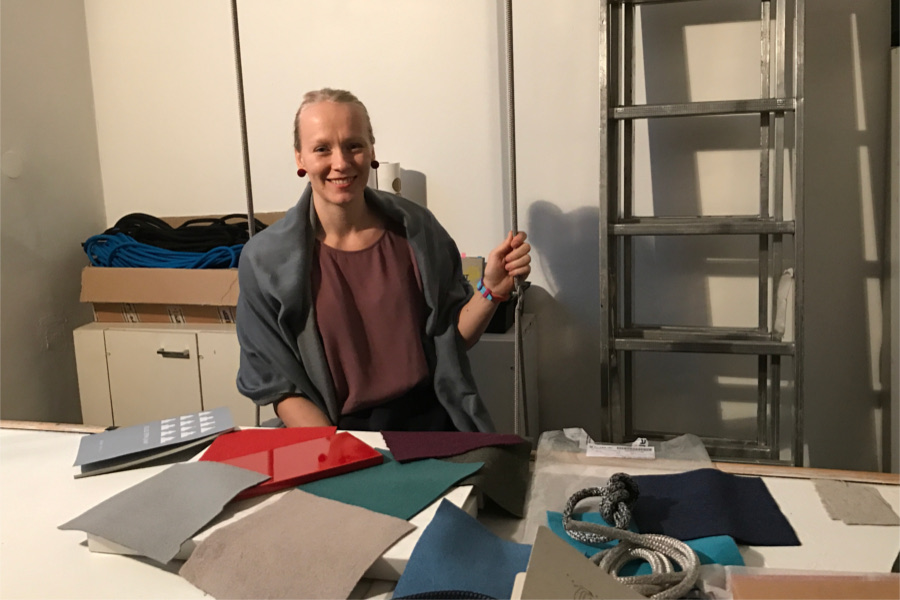
After graduating from high school, she went to study in London. Not product design, but advertising, because he found the intersection of business and creativity attractive. During her time in London, she worked for a media agency with major, world-renowned clients, learned a lot about professionalism and speed, and ultimately found the fast-paced hustle too boring for her. She later went to Spain, where she studied product design. Unlike the Nordic school of design education, where function is prioritized above all else, the Spanish place equal importance on creativity: a product must carry an idea, communicate the reason for creation and evoke emotions.
TammaDesign – a design brand for innovative product design without limits
Johanna also follows this principle with her brand TAMMA DESIGN. He has no specific preferences or specifications regarding the products he creates and the materials he uses. What she does is, as she says herself: “conceptual design with excellent products that have a meaning and a story to discover”.
His first products were necklaces and bracelets made from climbing ropes, which he still sells successfully today under the JOTI KNOT brand. The idea came to her when a teacher in Spain wore a necklace made of rope. She found the necklace very original and exciting and after the seminar she immediately went to a mountaineering equipment shop, got 5 meters of neon climbing rope and started experimenting.
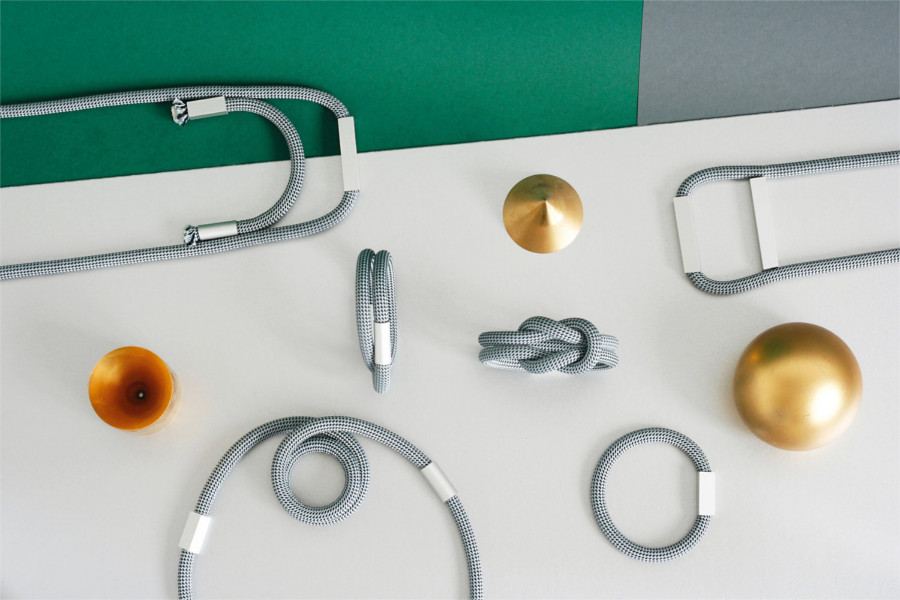
It also makes other climbing rope products. In the Baltic Design Shop you will find their hanging wardrobes made from climbing ropes, which are superior to any competitive product in terms of ease of use, functionality and appearance. The resin hooks can be easily raised and lowered with one hand, the hooks are deep enough to hold multiple bags, jackets and coats on a single hook. The wardrobe can also be reduced in size easily and without much effort.
However, the products with which Johanna has attracted the most worldwide attention are ceramic lamps with unusual shapes. The SOLID SPIN lights were his final thesis at university in Spain. The task was to develop a new product from an existing everyday object. Johanna chose an ordinary women’s shoe, which quickly rotated around its axis. He photographed the resulting shapes and transferred them into pendant lamp designs.
The lights are now produced in Italy because the design language is so complicated that only the best ceramic workshops in the world are able to produce them. The high-quality work and special design are particularly popular with interior designers, restaurants and hotels, but also with design-conscious private clients.
The future – even more climbing ropes and the triumph of Estonian design
Johanna is currently working on an indoor swing that combines her favorite material, climbing rope, with upholstered furniture elements and plywood. With playfulness and emotions in the foreground, this will once again become a special product that I will soon offer in the Baltic Design Shop. I had a lot of fun testing the swing during our meeting 🙂
When asked what Estonian design means to her, Johanna says it is definitely Nordic, but with a little humor and something special. He wants more colors and joy in the products of Estonian designers, which create emotions and make people smile.
In response to my obligatory final question about the three places in Estonia a foreigner interested in design should go, he recommends a walk around Tallinn’s Kopli and Kalamaja districts, a visit to the open-air museum (for the original everyday design of Estonians) and a tour of the many manor houses throughout Estonia to admire the beautiful antique furniture.
latest posts published

You should definitely pay attention to this!

Indoor gardening trend: green happiness for your home

The best design shops in Riga (Latvia)

Living ideas for Scandinavian furnishings

Christmas 2025: our trendy gifts in the shop

Insider tip for Christmas: designer jewelery from the Baltics!

What is the difference between a chest of drawers and a sideboard? Let’s find out!

Decorate your living room and bedroom in Scandinavian style

Muista office stool for more fun at work
